Planning your day? Download our Essential Wedding Day Timeline Guide at the end of this post for practical advice and suggested timings to help you enjoy every moment.
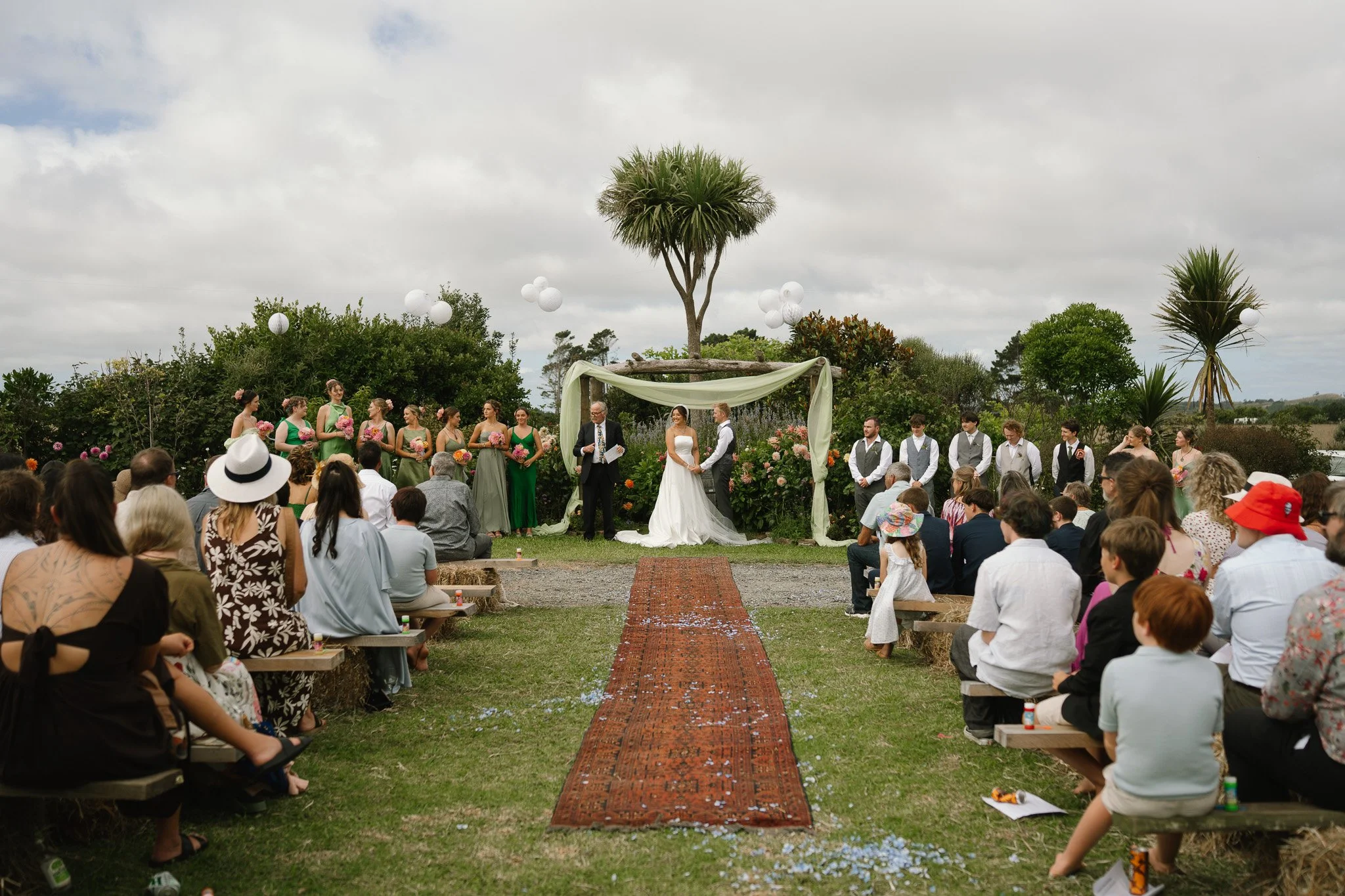
There’s a lot to fit into a wedding day. Getting ready, seeing each other for the first time, celebrating with family, taking photographs and somehow finding a moment to eat.
But when we help couples think through their timeline, we start with one question: how do you want your day to feel?
Perhaps you want a slow morning with your closest friends. Perhaps sharing drinks with your guests matters more than travelling to several portrait locations. Or perhaps there’s a family tradition you want to give plenty of time to.
We’re Josh and Rebecka, the husband-and-wife team behind Zedala Creations. Between capturing weddings across New Zealand and Sweden and planning our own, we’ve come to appreciate how much a thoughtful timeline shapes the experience.
Here’s our advice for building a day with enough structure to run smoothly and enough space to actually enjoy it.
How do you plan a wedding day timeline?
Start with your ceremony time and any fixed venue or catering requirements. Work backwards to plan preparations and travel, then forwards to allow for congratulations, photographs, dinner and the evening celebrations.
Before setting everything in place, discuss these five things together:
Whether you want to see each other before the ceremony.
How much time you want to spend with guests.
Which photographs, traditions and experiences matter most.
Whether you will move between locations.
When the light will suit your portraits.
Share an early draft with your venue, celebrant, photographer, videographer and caterer. It is much easier to adjust the plan before everyone has built their arrangements around it.
Our advice: decide your priorities before filling every available minute, refer back to these priorities as you plan your day and let them guide your decisions.

How much time should you allow for getting ready?
Give your morning more breathing room than you think
Getting ready involves more than hair, makeup and putting on an outfit. There are people arriving, belongings to organise, flowers to distribute and often a few emotional moments you couldn’t have planned. This time also sets the tone for the rest of the day. We have seen couples become too stressed because they tried to cram too much into the start of the day without allowing enough time.
For photography and videography, we generally recommend 60–90 minutes for bridal preparations and 30–60 minutes for groom preparations, adjusted to what you would like captured. These are coverage windows, not the full time required for beauty appointments. This is just for photo and video coverage, so remember to start earlier. Communicate with your hair and makeup artists, allowing generous time.
We love this part of the day because the anticipation is real. Giving it time means you can enjoy those final moments before the ceremony instead of watching the clock. To let these emotions breathe, you can’t worry about whether you will have enough time to get ready.
Should you have a first look before the ceremony?
A first look is a private moment where you see each other before the ceremony. It can be followed by couple portraits and wedding party photographs, freeing up more time with guests afterwards. When we were married, we chose to have a first look, and we loved it. It gave us that special moment to have just us together, and it was special again while walking down the aisle. We will have a whole blog post dedicated to this topic coming soon :)
From a photography perspective, it frees up more time for you to be with your guests during cocktail hour, instead of being taken away to take couple portraits.
If you would rather see each other for the first time as you walk down the aisle, build your portrait time into the afternoon instead. Both approaches can work beautifully.
Choose the experience you want, then shape the schedule around it.
How long should you allow for wedding photos?
As a starting point, we suggest:
Suggested time:
20–30 minutes
20–30 minutes
45–60 minutes
10–20 minutes
Part of the day
Family and group photographs
Wedding party photographs
Couple portraits
Optional golden hour portraits
These are separate windows, and travel is additional. Larger groups, multiple locations or a more extensive portrait session may need longer.
The important part is adding the timings together. A 60-minute cocktail hour cannot comfortably accommodate 30 minutes of family photographs, 30 minutes with your wedding party and 45 minutes of couple portraits.
If joining your guests for canapés is a priority, consider taking some photographs before the ceremony, extending the drinks reception or choosing fewer portrait locations.
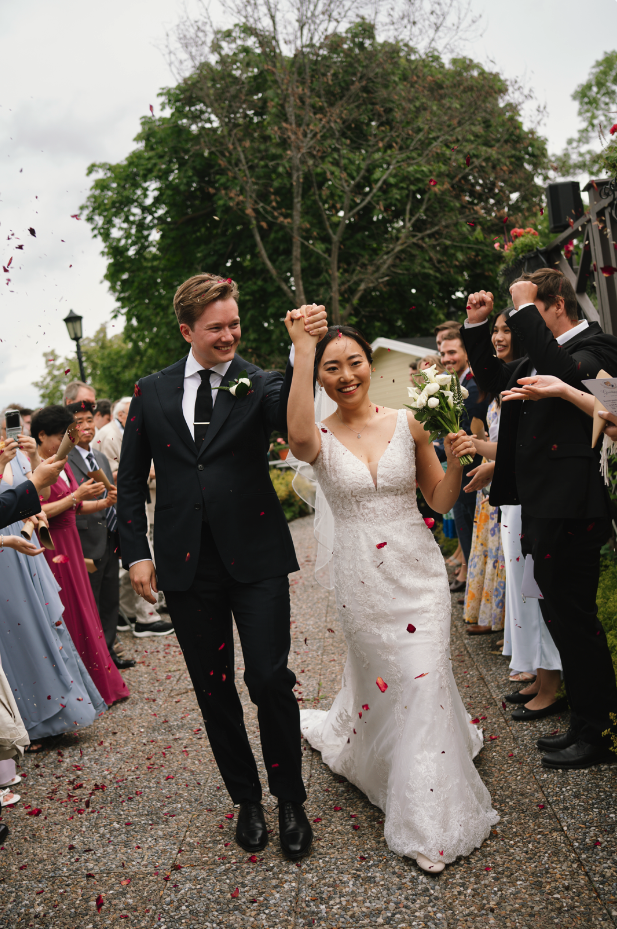
Leave room for the hugs after your ceremony
One of the easiest moments to underestimate is what happens immediately after you’re married.
Your family wants to hug you. Friends want to congratulate you. The two of you might want a moment to take everything in.
We recommend allowing 15–20 minutes for congratulations, with more time for larger guest lists. Keep this separate from formal family photographs.
Those interactions are part of your wedding story. They deserve space of their own.
How can you keep family wedding photos organised and relaxed?
Keep family photographs organised and personal
A short, thoughtful family photo list helps everyone understand who is needed and when.
Around eight to ten straightforward combinations can often fit into a 20–30-minute window. More combinations, large groups, or guests moving between locations will need extra time.
Choose someone who knows your family to help gather people. Prioritise elderly relatives and young children, and let anyone needed for photographs know in advance. Make sure to have a microphone too, as often everyone is talking to each other and you will need to get their attention.
Tell your photographer privately about any sensitive family circumstances too. A little preparation helps this part of the day feel comfortable for everyone.
Plan your portraits around the light and location
Your date and venue affect when and where portraits will work best. A summer wedding in Auckland and a winter celebration in Queenstown need different plans.
Speak with your photographer before locking in your ceremony and reception timings, particularly if outdoor portraits are important to you. Nearby buildings, hills and trees can affect the available light well before sunset.
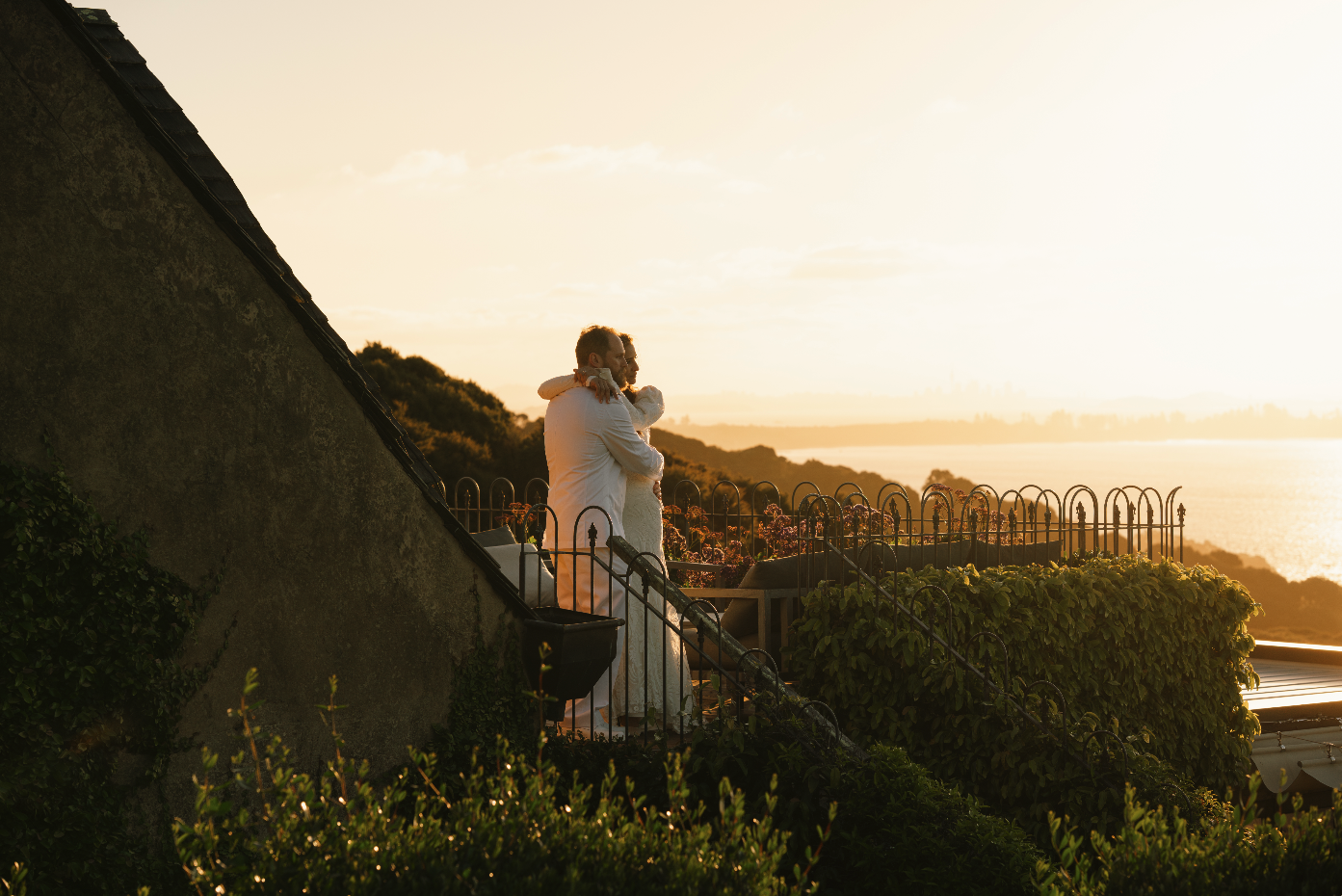
If the evening light suits your schedule, a short golden hour session can offer a lovely pause together. It does not need to become another long photoshoot.
We would usually suggest choosing a small number of locations you love. Staying close gives you more time together and less time getting in and out of cars.
Remember that video needs preparation time too
If you are having wedding videography, allow your team time before the ceremony to prepare cameras, check audio, and fit microphones. It can be as simple as checking with your team you hire how much time they need, as this will depend on their needs.
Clear communication before and on your day gives your team the best opportunity to preserve the words and reactions you’ll want to hear and see again.
Build a reception that gives people time to enjoy themselves
Confirm meal timings with your caterer before deciding where speeches and dances will sit. A buffet, shared meal and plated dinner can run very differently.
For speeches, suggest five minutes per person, then allow extra time for introductions, laughter and applause. Four speeches may need around 20–30 minutes altogether.
Avoid filling every gap with another activity. Leave room to eat, talk and enjoy the atmosphere you have spent so much time creating.
And check that any moments you want professionally captured, such as your first dance or farewell, sit comfortably within your booked coverage.
Where should you add buffer time to your wedding timeline?
Add buffers where delays are most likely
A timeline that only works when everything goes perfectly leaves very little room to relax.
Allow breathing space around getting dressed, travelling, the ceremony and moving guests into the reception. For a ceremony expected to last 30 minutes, an additional 15-minute buffer can help protect the plans that follow.
Travel needs more than the driving time on a map. If the map says a 15-minute drive, plan 30 minutes; trust us it works and is an easy way to put buffers into your timeline. Think about gathering belongings, loading cars, parking, and walking to the next location.
A useful final check is to ask: if this part runs ten minutes late, what happens next? If the answer means missing something important, give that part of the day more room.
Have a wet-weather plan you actually feel comfortable with
Before the wedding, agree on a sheltered ceremony option and suitable portrait locations with your venue and photography team.
Consider how guests will move between spaces, where group photographs could happen and who will make the call if the weather changes.
Having those decisions made in advance means fewer questions coming your way on the day. You can stay focused on the people around you.
How can you make time for what matters most on your wedding day?
Make time for what matters to you
As photographers and videographers, we care about creating beautiful work. We also care about you enjoying the experience those photographs and films will bring you back to.
When time is too tight, rushing can pull your attention away from the moments unfolding around you. A thoughtful schedule gives you permission to slow down, trust the people supporting you and be present.
This is your wedding. Choose the traditions, experiences and pace that feel right for you.
Years from now, it’s the people, the feelings and the moments together you’ll want to return to. Give yourselves time to be part of them.
With love,
Josh & Rebecka
Zedala Creations
Download our Complete Wedding Timeline Guide
We created The Complete Wedding Timeline Guide to help you put these ideas into practice.
Inside, you’ll find suggested timings for each part of the day, practical photography and videography advice, and reminders to help you plan with confidence.
Use it as a starting point, then shape the details with your vendors around the celebration you want.
